The Power of Dialogue & Storytelling
Dialogue and storytelling are powerful tools for understanding each other's experiences. As we state on our project's opening page, we are interested in stories about inclusion and exlcusion: The project works to build active inclusion in our outreach and programming by countering "passive exclusions" – barriers related to people's self-confidence, time, resources, and language that can prevent them from participating (Young 1999). Our ground rules also make this focus explicit: We recognize that dialogues are especially useful when they realize the impacts of social and racial inequities. We aim to ground these conversations in evidence and theory on racism and racial injustice. Dialogues that focus on inequity can produce greater empathy between groups, reduce intergroup bias and prejudice, and help people form coalitions across social differences. The key is centering the context of inequity and its manifestation in lived experiences and systems.
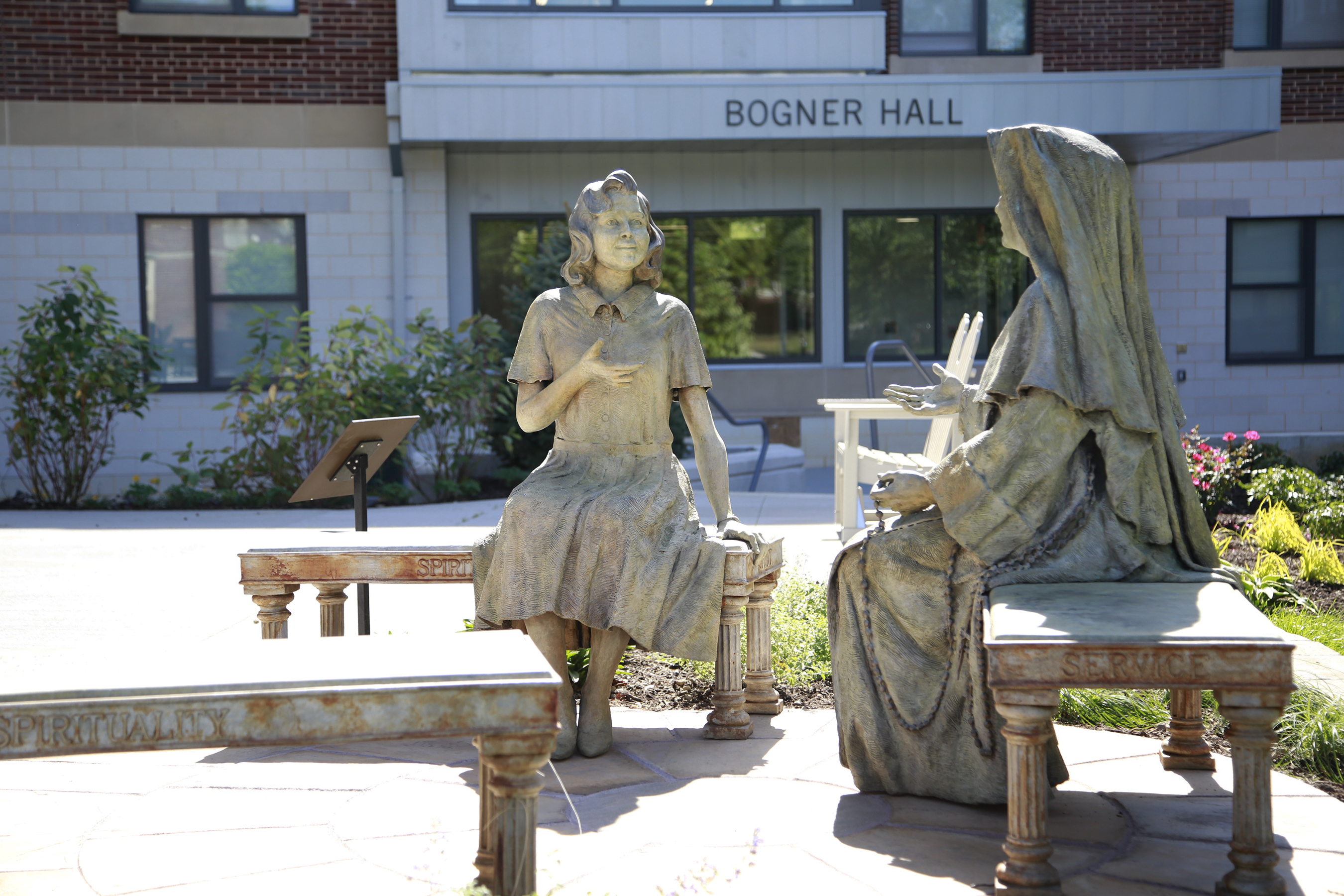
In the case of this project, our stories and dialogue are centered on our community. As faculty, students, and staff at Molloy College, we all participate in the life of the college, and thus Molloy's mission and culture. Community, study, spirituality/contemplation, and service form the basis of Molloy's institutional mission. Considering how we forward these values, especially where racial equity is concerned, is one goal of our work.
We are particularly interested in understanding how experiences of microaggression and microaffirmation also shape our experience of community. We invite you to share your stories in this vein so that we might have a better informed dialogue about racial equity. As you condsider sharing your story, think about who might benefit from hearing it. Think also about how you might benefit from sharing it. By sharing our stories, we hope that people will gain a sense of empowerment and knowledge to use in their civic engagement. We hope to consider our collective and individual interests by having an opportunity to express our concerns and work to make relevant changes. In all of this, we emphasize inclusion. Inclusion means being active rather than passive to ensure that all the people who are impacted by an issue are involved in deliberation and participation around that issue. Please consider sharing your story as we consider, together, our experience of Molloy and understanding of racial equity.